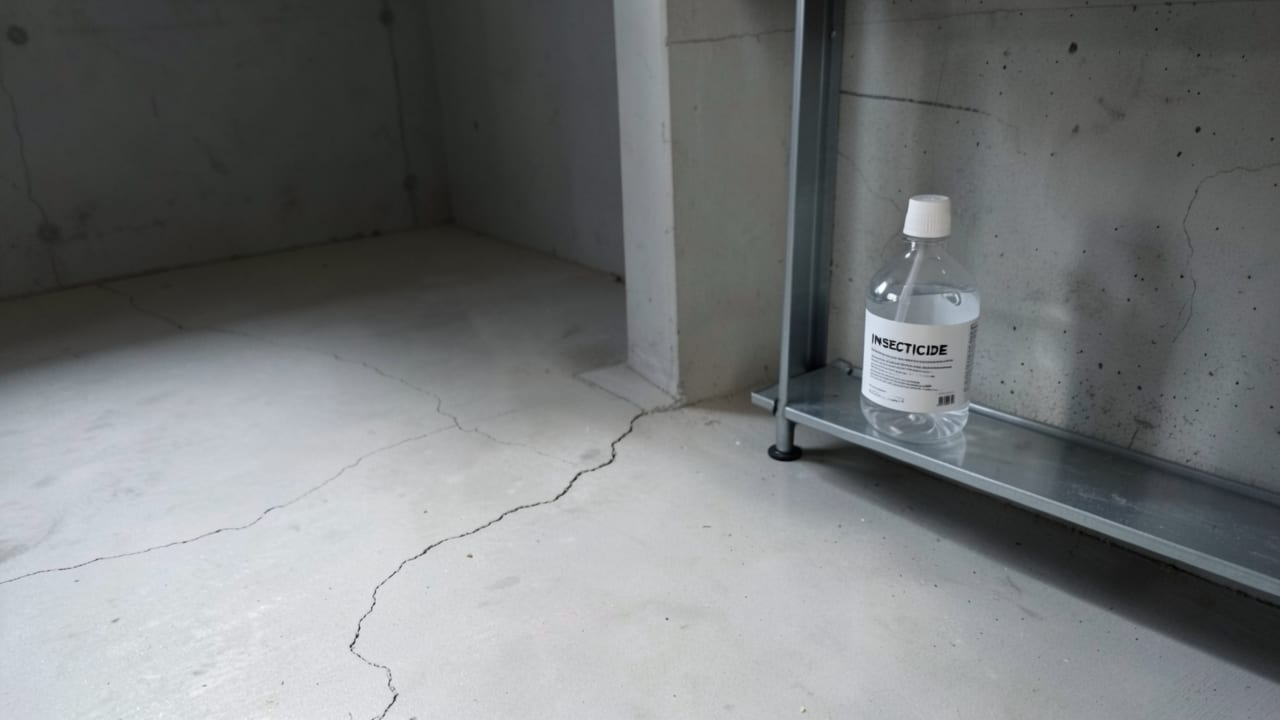
Pest Infestation Mold Remediation
Professional mold removal and remediation for pest-related infestations in homes.
Pest infestation mold remediation in Newport, RI addresses hidden mold growth caused by moisture from pests like rodents or insects. This service ensures thorough cleanup, containment, and prevention of further spread in walls, attics, or crawl spaces, using specialized techniques to protect your home from contamination.
When is pest infestation mold remediation needed?
Pest-related mold often hides behind walls, under floors, or in attics, making it hard to spot. Signs that professional help is needed include mold covering more than a small patch (typically over 25 square feet), regrowth after cleaning, or a musty smell without visible mold.
We also handle Spring Mold Inspection and Pre-Sale Mold Clearance for Newport properties.
These indicate hidden moisture sources or extensive contamination that requires proper remediation.
A musty odor that worsens when the HVAC system runs may signal mold spreading through ductwork. If you notice these signs, addressing the issue promptly can prevent further damage and health risks.
Signs You May Need Pest Infestation Mold Remediation
- Mold covering more than a small, isolated patch (often over 25 square feet).
- Regrowth of mold in the same spot after cleaning attempts.
- A musty smell with no visible mold in the room.
- Musty odor that gets stronger when the HVAC system is on.
What affects pricing and timing?
Pest infestation mold remediation is typically quoted per project, not by a fixed price range, as the scope depends on the size and severity of the contamination.
Factors like the square footage of affected areas, the type of materials involved, and whether additional treatments (like pest control or structural repairs) are needed can influence the cost.
Drying time for structural materials depends on humidity levels and the size of the affected area. Clearance testing, which confirms the mold is fully removed, is often priced separately and may extend the overall timeline.
What to watch for during the process
During remediation, containment is critical to prevent spores from spreading to unaffected areas. Plastic sheeting and negative-air machines seal the work zone, while HEPA-filtered equipment captures spores instead of releasing them back into the air.
Skipping proper containment or using non-HEPA equipment can turn a contained job into a larger contamination issue. Always confirm that clearance testing is included to verify the mold is fully removed.
Never use standard shop vacuums or non-HEPA air scrubbers, as they recirculate spores instead of capturing them. Always ensure the moisture source (like leaks or pest entry points) is fixed to prevent regrowth.
How pest infestation mold remediation works
This process ensures mold caused by pests is safely and thoroughly removed from your home.
- 1Containment Setup
Plastic sheeting and negative-air machines seal the affected area to prevent spores from spreading during removal.
- 2Material Removal or Cleaning
Porous materials like drywall or insulation are cut out and bagged, while non-porous surfaces are scrubbed and treated.
- 3HEPA Filtration and Drying
HEPA air scrubbers and vacuums capture spores, and industrial dehumidifiers dry structural materials to normal moisture levels.
- 4Clearance Testing
An independent test confirms spore counts are back to normal before containment is removed.
Frequently asked questions
How do I know if my mold issue is from a pest infestation?
Look for signs like droppings, nests, or chew marks near mold growth. Pest infestations create moisture, which fuels mold in hidden areas like walls or attics.
Can I clean mold caused by pests myself?
Small, isolated patches may be cleaned, but extensive growth or hidden contamination requires professional remediation to prevent regrowth or spread.
What happens if the moisture source isn’t fixed after remediation?
Mold can regrow quickly if the underlying moisture issue (like leaks or pest entry) isn’t addressed. Always confirm the source is repaired.
How long does the remediation process take?
Timing varies based on the size of the affected area and drying requirements. Structural drying can take days, while testing and containment add to the overall time.
Where Newport sits, and what the Census lists nearby
Newport sits in Rhode Island, and the closest places listed in the U.S. Census Gazetteer are Newport East (3.2 miles northeast), Melville (5.8 miles north), Narragansett Pier (8.3 miles southwest), Wakefield-Peace Dale (9.6 miles west).
Within 25 miles of Newport the same source lists 26 distinct incorporated places and census-designated places.
Those figures matter for pest infestation mold remediation because they are straight-line distances between Census coordinate points: road mileage between Newport and Newport East runs longer than the 3.2 miles shown, which is why quotes for the same job differ between towns that look close together on a map.
Source: U.S. Census Bureau Gazetteer.
See Narragansett, RI for more, or check out the mold remediation work we do around Newport at a glance for our complete lineup.
Ready to get started?
Talk to a local mold remediation pro in Newport — get a written quote.
Other Mold Remediation Services in Newport
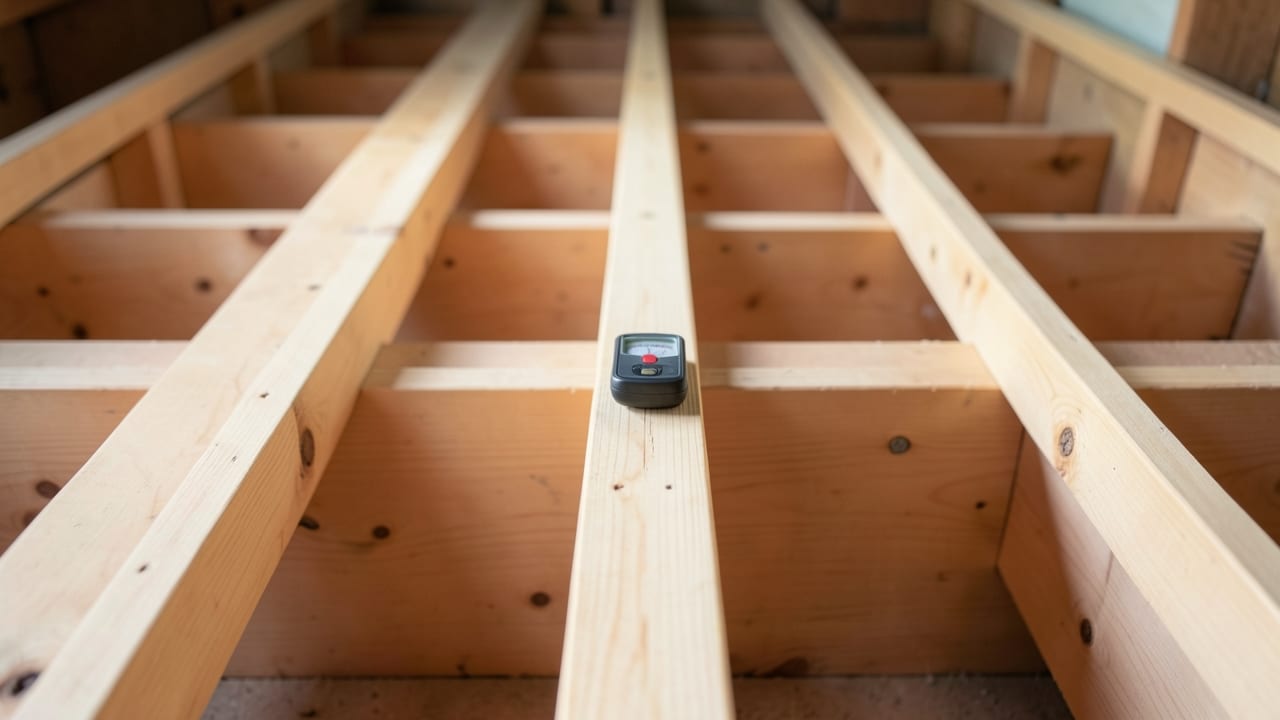
Spring Mold Inspection in Newport, RI
Professional assessment and identification of mold growth in homes.
Learn More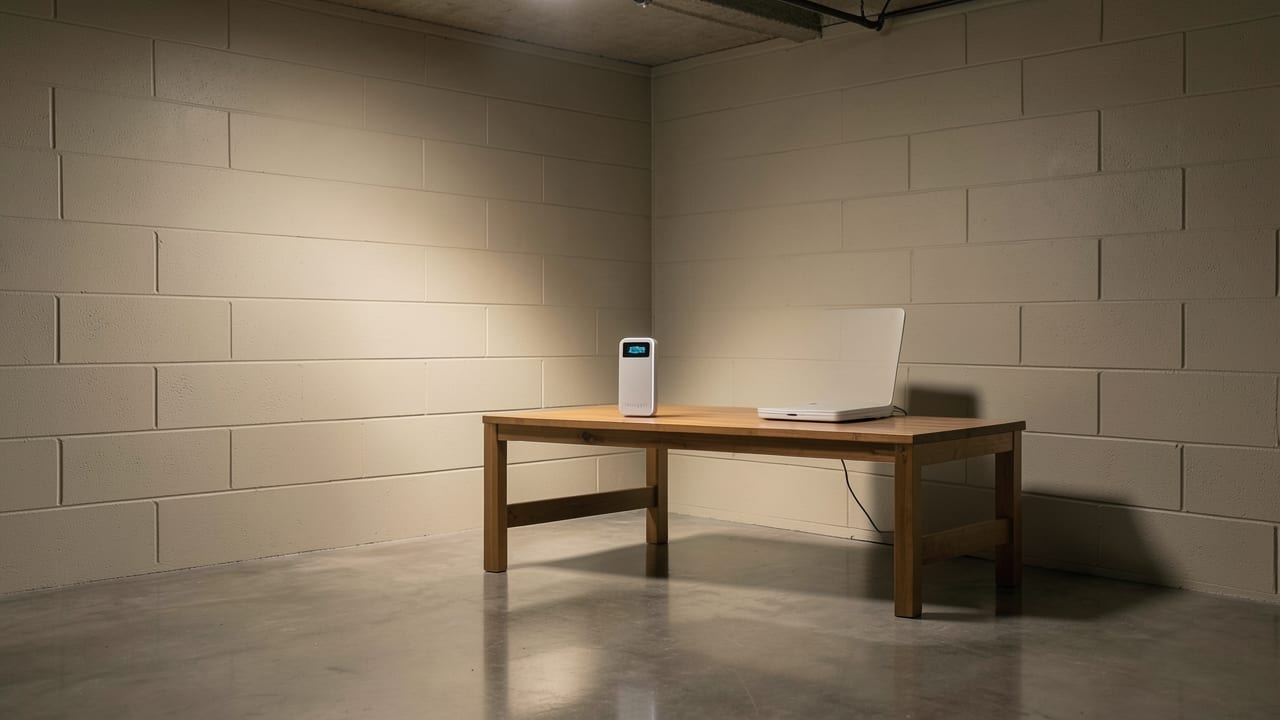
Pre-Sale Mold Clearance in Newport, RI
Pre-sale mold clearance involves inspection and testing to confirm a property is mold-free before purchase.
Learn More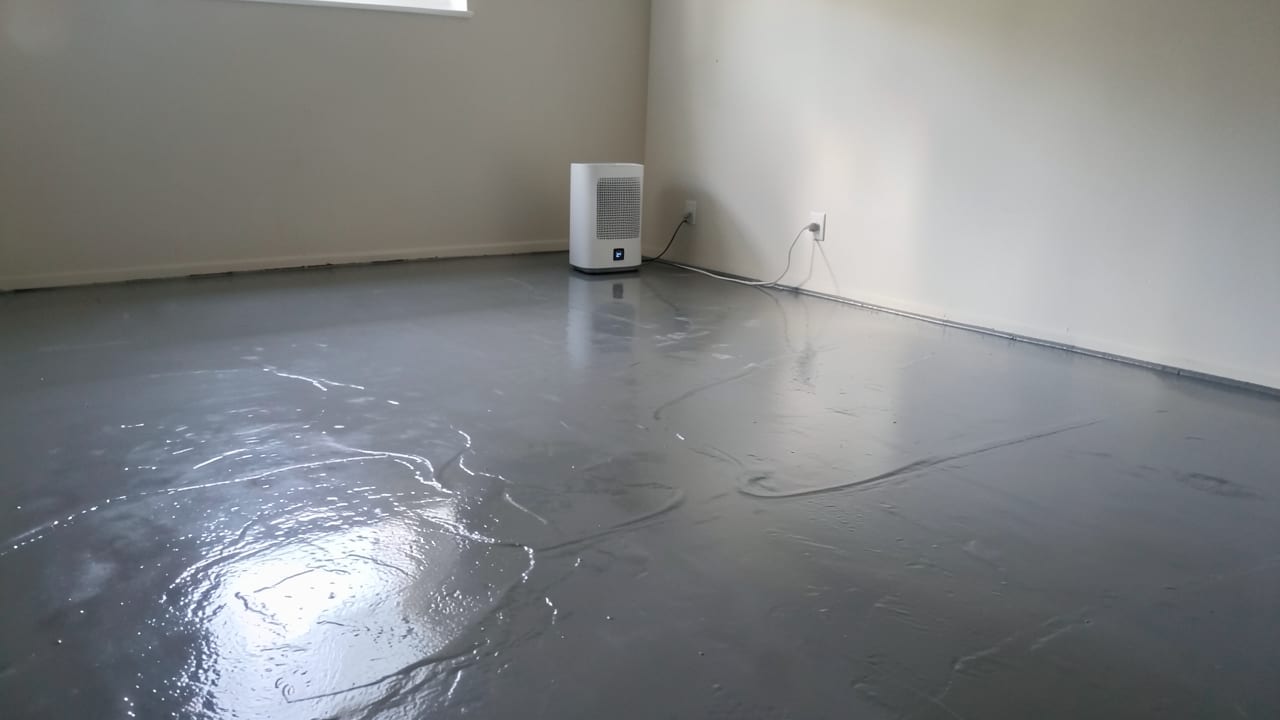
Post-Remediation Sealing in Newport, RI
Applying protective sealants to surfaces after mold remediation to prevent future growth.
Learn More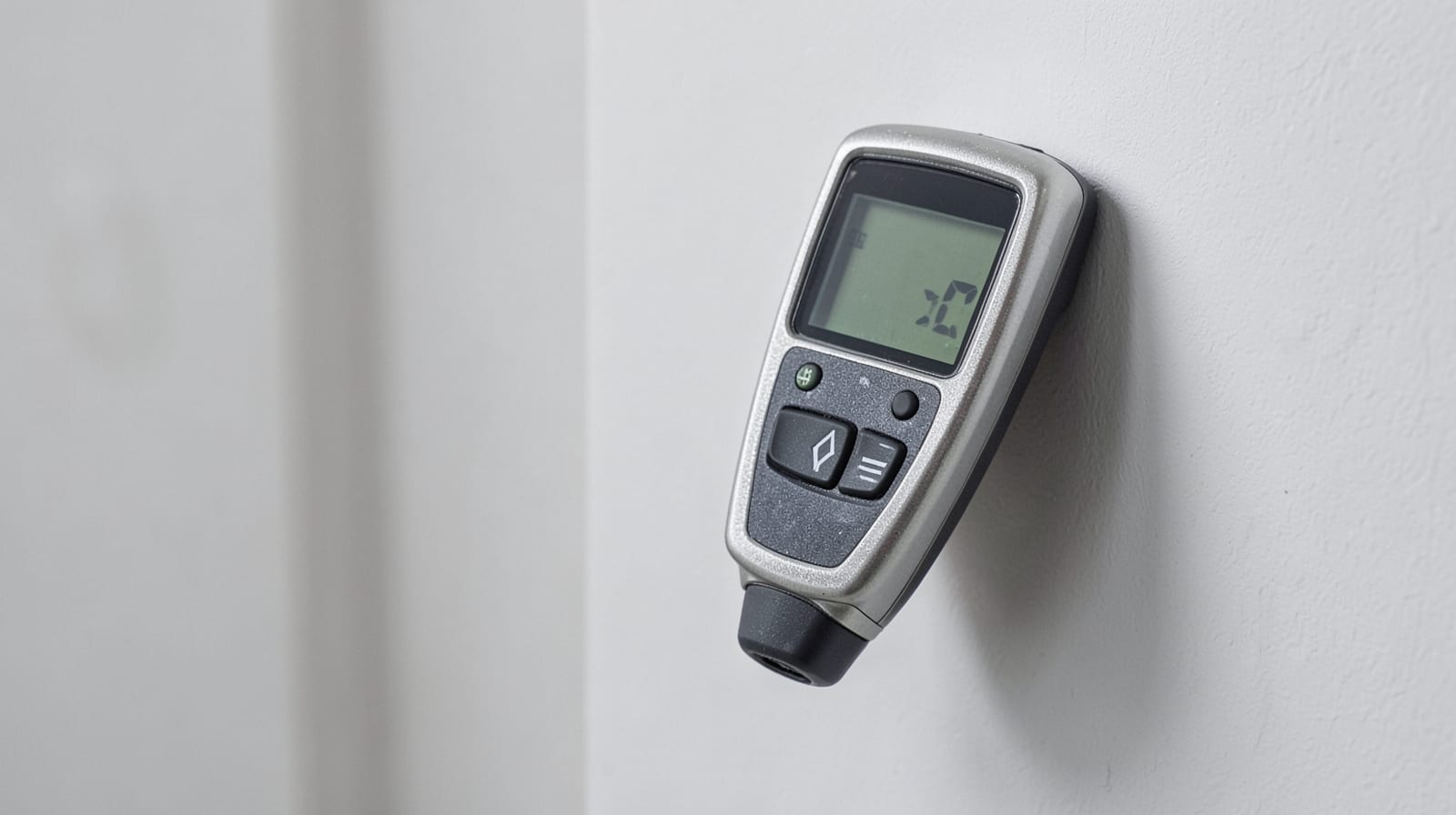
Mold Inspection in Newport, RI
Mold inspection in Newport, RI — a visual and moisture-meter assessment that finds the source of growth, not just the visible spot on the wall.
Learn More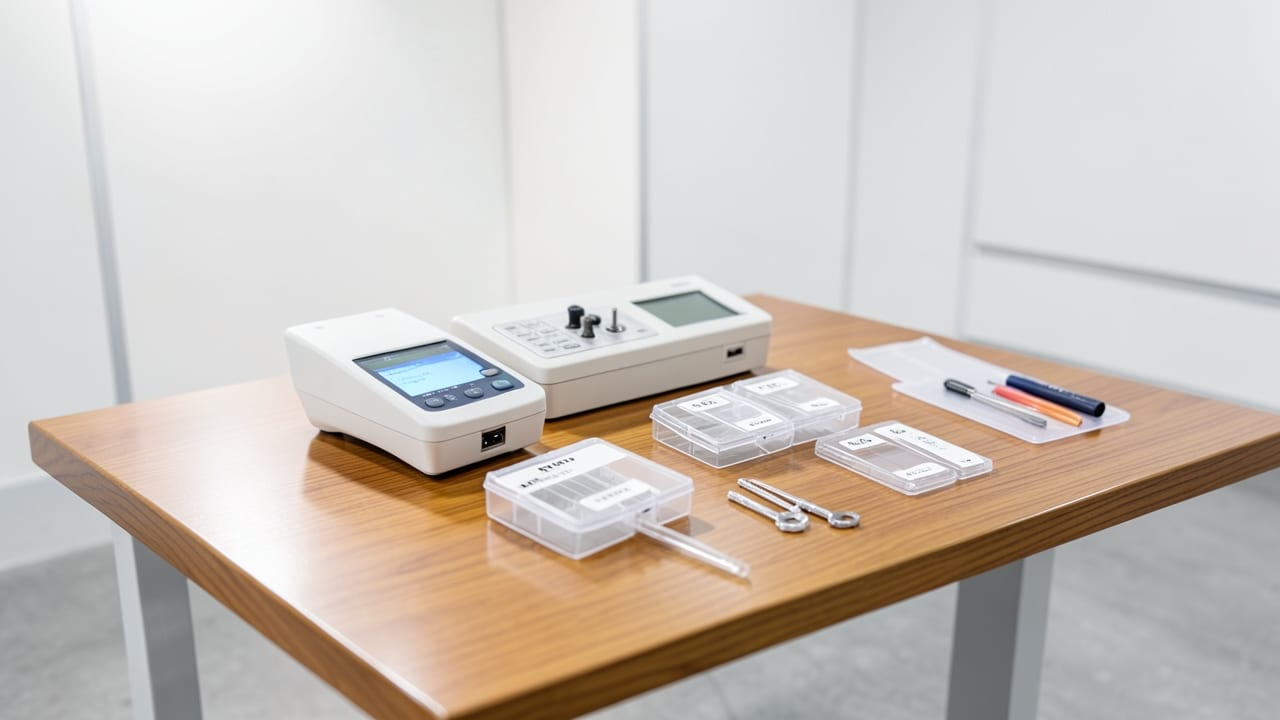
Mold Testing & Air Quality Testing in Newport, RI
Mold and indoor air quality testing in Newport, RI — lab-analyzed air and surface samples confirm what's actually growing and whether it's airborne.
Learn More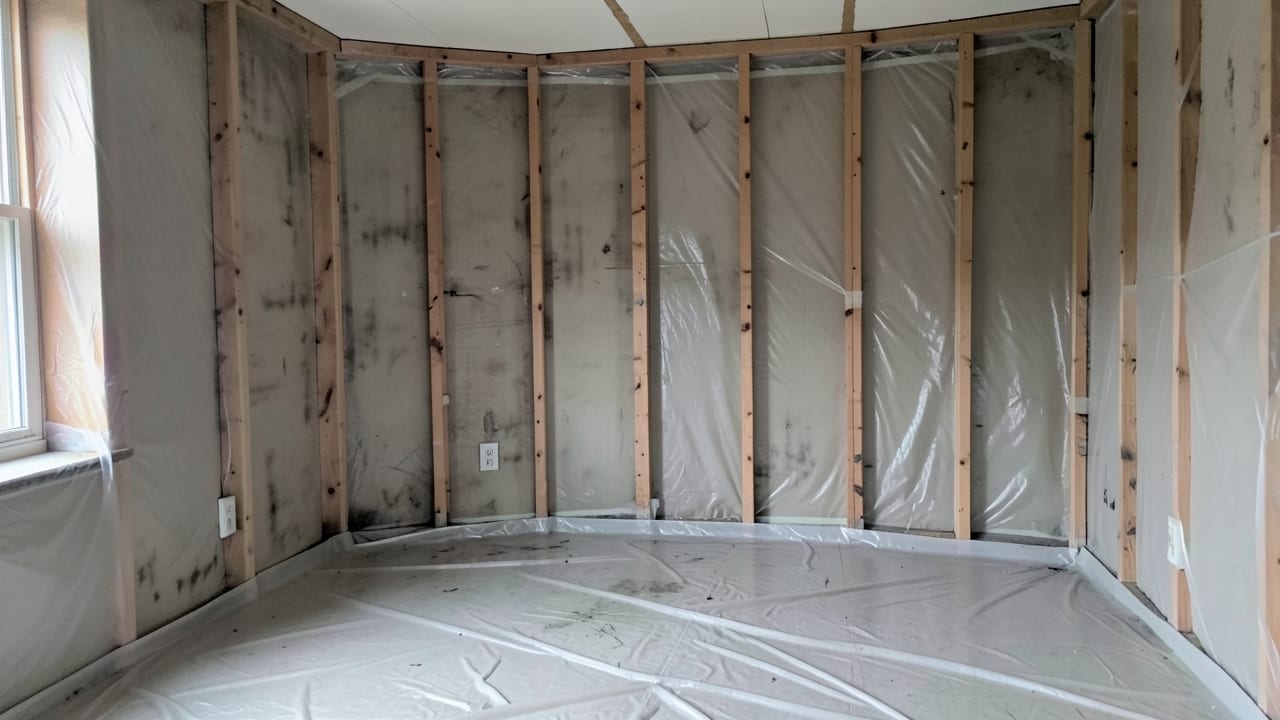
Mold Removal & Remediation in Newport, RI
Mold removal and remediation in Newport, RI — containment, HEPA filtration, and removal of affected material following industry (IICRC S520) protocol.
Learn MoreCommon Questions About Mold Remediation in Newport
Everything you need to know about mold remediation services in Newport
How much does Pest Infestation Mold Remediation typically cost in Newport, RI?
Why does Newport, RI's humidity make mold a bigger risk than in drier regions?
Is a final clearance test part of a typical mold remediation job?
How does mold remediation actually prevent the problem from coming back?
Can mold growing inside HVAC ductwork spread to the rest of a home?
Does mold mean the same thing as mildew?
Need Mold Remediation in Newport?
Connect with local providers in Newport for a detailed quote.
⏰ We answer your call • Serving all of Newport and surrounding areas