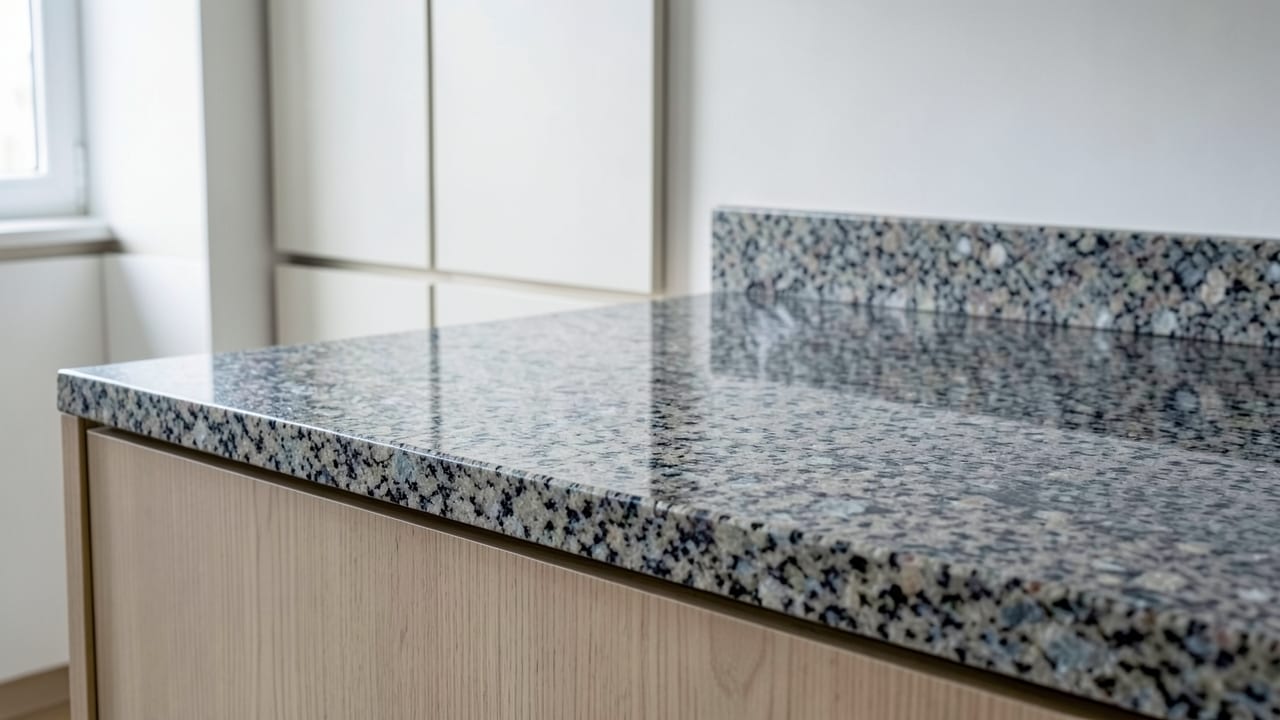
Stone Countertop Mold Removal
Professional removal of mold from stone countertops using specialized cleaning and treatment methods.
Mold on stone countertops like granite, marble, or quartz requires specialized cleaning to prevent permanent damage or regrowth. In Newport, RI, professional remediation teams use containment, deep-cleaning solutions, and HEPA filtration to safely remove fungal growth while protecting the home’s air quality and preventing hidden spores from spreading.
When stone countertop mold needs professional attention
Stone countertops can show mold as dark spots, discoloration, or a slimy texture. If the mold covers more than a small, isolated patch or keeps returning after cleaning, it’s often a sign of deeper moisture issues or hidden growth.
We also handle Tile & Grout Mold Cleanup and Glass Window Mold Removal for Newport properties.
Musty odors without visible mold may indicate hidden contamination in walls, under flooring, or inside ductwork.
Areas with poor airflow—like windowless bathrooms or basements—are more prone to mold recurrence. If the mold appears in multiple spots or spreads quickly, it’s typically past the point where a homeowner’s cleaning products can fully resolve the issue.
Professional remediation addresses both visible growth and the underlying moisture source to help prevent regrowth.
Signs Professional Mold Removal May Be Needed
- Mold covers more than a small, isolated patch (typically over 25 contiguous square feet).
- The mold keeps returning in the same spot after cleaning, suggesting a moisture source wasn’t addressed.
- A musty smell is present with no visible mold, possibly indicating hidden growth in walls, ducts, or under flooring.
- The affected area has poor airflow, such as a windowless bathroom or basement corner.
What affects pricing and timing for stone countertop mold removal
Pricing for stone countertop mold removal is typically determined project by project, as each situation varies. Factors like the size of the affected area, the type of stone, and whether additional work (such as refinishing or moisture source repairs) is needed all influence the final cost.
Unlike standard mold remediation, stone surfaces often require specialty cleaning solutions and careful handling to avoid damage.
Timing depends on containment setup, drying periods, and clearance testing. Industrial dehumidifiers and air movers may run for days to ensure moisture levels return to normal before the area is considered complete. Independent clearance testing is often performed after remediation to confirm spore levels are back to a typical range.
| Factor | Impact on Pricing/Timing |
|---|---|
| Size of affected area | Larger areas require more containment, labor, and materials. |
| Type of stone (granite, marble, quartz) | Some stones require specialty cleaning agents or refinishing. |
| Moisture source repairs (leaks, grading, HVAC adjustments) | Addressing the source may add to the scope and cost. |
| Need for refinishing or sealing after cleaning | Restorative work is often billed separately. |
| Clearance testing requirements | Independent lab testing may be an additional cost. |
Why containment and HEPA filtration matter
During stone countertop mold removal, containment prevents spores from spreading to unaffected areas. Plastic sheeting and negative-air machines seal off the work zone, while HEPA-filtered air scrubbers continuously clean the air inside. Standard shop vacuums or non-HEPA filters can recirculate spores, making the problem worse.
Skipping proper containment or filtration risks turning a contained job into a larger one, as disturbed spores can drift into hallways, HVAC systems, or other rooms. HEPA vacuums and air scrubbers ensure spores are captured rather than released back into the home’s air.
Even a small tear in plastic sheeting or an open door during remediation can let spores escape. Negative air pressure must hold consistently to keep the work area sealed.
How stone countertop mold removal works
Professional remediation follows a structured process to safely eliminate mold and prevent regrowth.
- 1Containment Setup
Plastic sheeting and negative-air machines seal off the work area to prevent spores from spreading during removal.
- 2Deep Cleaning with Specialty Solutions
Mold-specific cleaners are applied to stone surfaces, scrubbed thoroughly, and rinsed to eliminate spores without damaging the finish.
- 3HEPA Air Scrubbing and Vacuuming
HEPA-filtered air scrubbers run continuously, and surfaces are vacuumed with HEPA equipment to capture disturbed spores.
- 4Structural Drying
Industrial dehumidifiers and air movers reduce moisture in framing and subfloors to prevent mold regrowth.
- 5Clearance Testing
An independent lab tests air or surface samples to confirm spore levels are back to a typical range before containment is removed.
Frequently asked questions
Can I clean stone countertop mold myself, or should I call a professional?
For small, isolated patches, home cleaning products may help. However, if the mold covers more than a small area, keeps returning, or you notice musty odors without visible growth, professional remediation is recommended to address hidden contamination and moisture sources.
Will the stone countertop be damaged during mold removal?
Professional teams use solutions and techniques designed for stone surfaces to avoid damage. However, some porous stones like marble may require refinishing or sealing after cleaning to restore appearance.
How long does the entire process take from start to finish?
Timing varies based on containment setup, drying periods, and clearance testing. Industrial drying equipment may run for several days to ensure moisture levels return to normal before the area is considered complete.
Do I need to leave my home during the mold removal process?
While containment keeps spores contained, some homeowners prefer to stay elsewhere during active remediation. The team can provide guidance based on the specific situation and containment setup.
Where Newport sits, and what the Census lists nearby
Newport sits in Rhode Island, and the closest places listed in the U.S. Census Gazetteer are Newport East (3.2 miles northeast), Melville (5.8 miles north), Narragansett Pier (8.3 miles southwest), Wakefield-Peace Dale (9.6 miles west).
Within 25 miles of Newport the same source lists 26 distinct incorporated places and census-designated places.
Those figures matter for stone countertop mold removal because they are straight-line distances between Census coordinate points: road mileage between Newport and Newport East runs longer than the 3.2 miles shown, which is why quotes for the same job differ between towns that look close together on a map.
Source: U.S. Census Bureau Gazetteer.
See Charlestown, RI for more, or find out about the full mold remediation lineup we run in Newport before booking for our complete lineup.
Ready to get started?
Talk to a local mold remediation pro in Newport — get a written quote.
Other Mold Remediation Services in Newport
Tile & Grout Mold Cleanup in Newport, RI
Professional removal of mold from tile and grout surfaces in bathrooms, kitchens, and other tiled areas.
Learn More
Glass Window Mold Removal in Newport, RI
Professional removal of mold from glass windows and frames to restore clarity and prevent spread.
Learn More
Brick Masonry Mold Treatment in Newport, RI
Professional mold treatment and removal from brick masonry to restore structural integrity and indoor air quality.
Learn More
Balcony Mold Cleanup in Newport, RI
Professional removal and treatment of mold growth on balconies and adjacent structures.
Learn More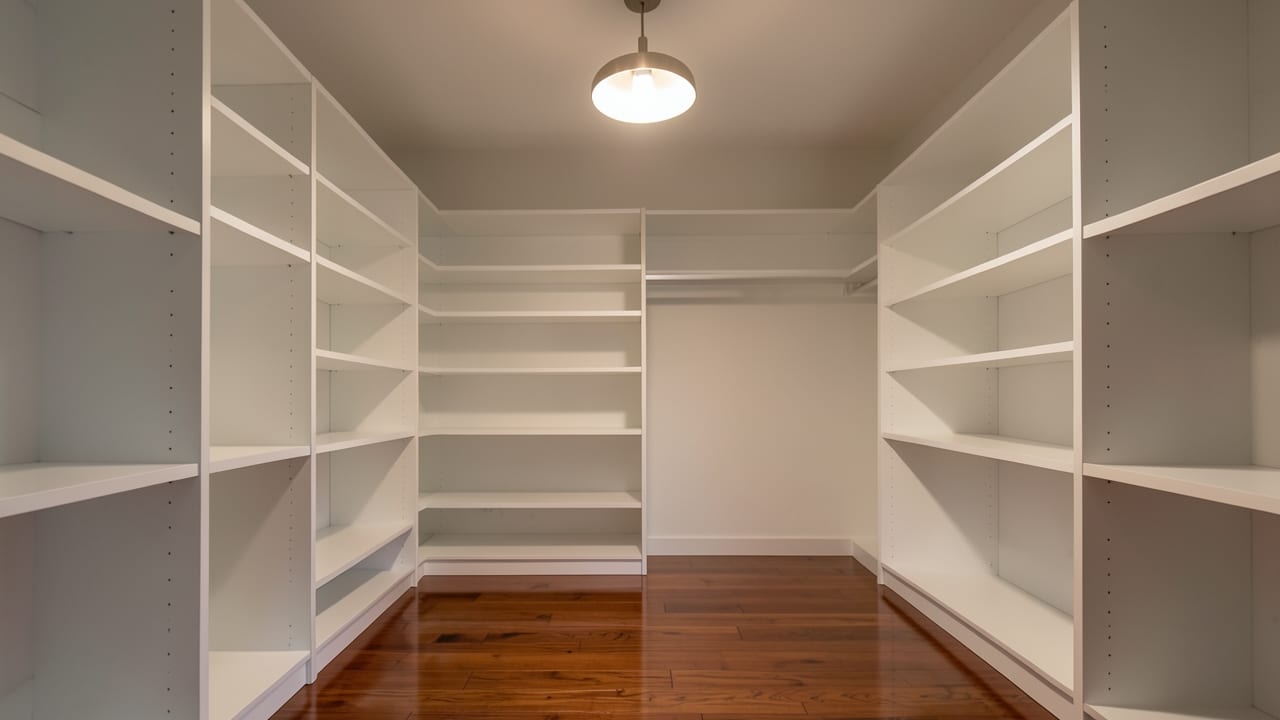
Closet Mold Cleanup in Newport, RI
Professional cleanup and removal of mold from closets to restore safe, healthy spaces.
Learn More
HOA Mold Remediation in Newport, RI
Professional mold removal and remediation for HOA properties to restore safe, healthy living conditions.
Learn MoreCommon Questions About Mold Remediation in Newport
Everything you need to know about mold remediation services in Newport
How much does Stone Countertop Mold Removal typically cost in Newport, RI?
Why does Newport, RI's humidity make mold a bigger risk than in drier regions?
What's the actual difference between mold removal and mold remediation?
Is a final clearance test part of a typical mold remediation job?
How does mold remediation actually prevent the problem from coming back?
Can mold growing inside HVAC ductwork spread to the rest of a home?
Need Mold Remediation in Newport?
Connect with local providers in Newport for a detailed quote.
⏰ We answer your call • Serving all of Newport and surrounding areas