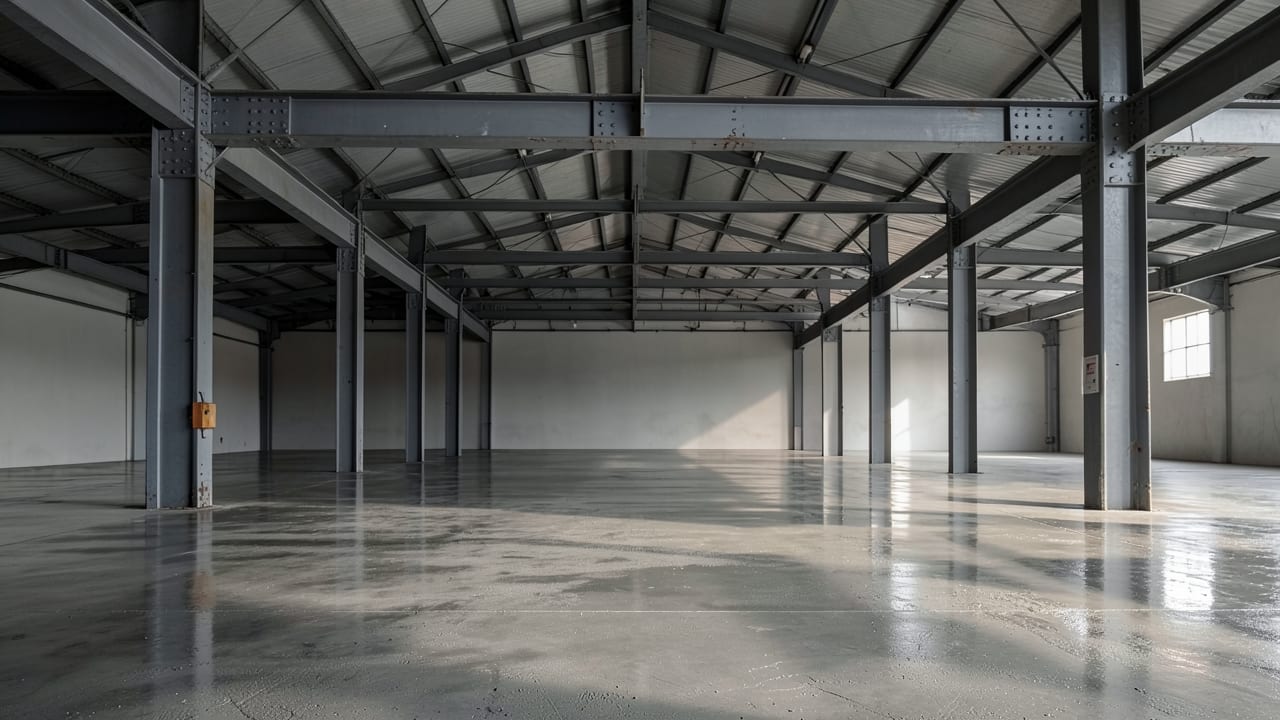
Warehouse Mold Cleanup
Professional removal of mold from warehouse spaces to restore safe, clean conditions.
Warehouse mold cleanup in Newport, RI, focuses on identifying and removing mold growth in storage or industrial spaces, including basements, attics, and garages. This process involves containment, air filtration, and thorough cleaning or disposal of affected materials to prevent further spread and protect indoor air quality.
When mold cleanup becomes necessary
Mold growth in a home can often start small, but certain signs indicate it has reached a point where professional cleanup is needed.
We also handle Stone Countertop Mold Removal and Glass Window Mold Removal for Newport properties.
The most noticeable sign is the size of the mold patch: if it covers more than a small, isolated area, it is likely beyond what can be safely handled with DIY methods. In some states, mold covering 25 contiguous square feet is considered a threshold for professional intervention.
Other clear indicators include mold that keeps returning after cleaning, which often means the moisture source has not been addressed, or a musty smell with no visible mold.
If the smell worsens when the HVAC system is running, it may be spreading through the ductwork, requiring professional attention to prevent further contamination.
Signs You Need Professional Mold Cleanup
- Mold covers more than a small, isolated patch (e.g., over 25 square feet).
- Mold keeps returning after cleaning attempts.
- A musty smell persists with no visible mold.
- The smell worsens when the HVAC system is running.
- Mold is found in multiple areas of the home.
What affects the cost of mold remediation?
The cost of mold remediation varies depending on several factors, including the size of the affected area, the extent of the contamination, and the materials involved.
Unlike residential homes, pricing for mold cleanup in larger spaces like warehouses or storage areas is typically determined project by project rather than from a published range.
Additional factors that influence pricing include whether the work can be done while the property remains in use, the need for strict containment and documentation, and whether the moisture source is addressed during the process. These details are assessed during an initial inspection to provide an accurate estimate.
What to look for in a mold remediation quote
When comparing quotes for mold cleanup, it’s important to understand what each estimate includes. Some quotes may exclude critical steps like containment, clearance testing, or addressing the moisture source, which can lead to recurring mold issues.
Always ask whether the quote covers inspection, remediation, and post-cleanup testing to ensure a thorough job.
A written scope of work is essential to avoid unexpected costs or disputes later. The estimate should also specify the square footage being treated and whether a third-party lab will verify the mold species and clearance after the work is complete. Without these details, it’s difficult to compare bids accurately.
| Question to Ask | What It Means |
|---|---|
| Does the estimate include inspection, testing, remediation, and clearance testing? | Ensures no critical steps are omitted. |
| Is a written scope of work provided before any work starts? | Protects against unexpected costs or changes. |
| Does the estimate specify the square footage being treated? | Allows for accurate comparison between bids. |
| Will a third-party lab test verify clearance after the work? | Confirms the job was completed effectively. |
| Does the quote address fixing the moisture source? | Prevents mold from returning after cleanup. |
How warehouse mold cleanup works
Professional mold cleanup follows a structured process to ensure safety and effectiveness.
- 1Containment
The affected area is sealed off using plastic sheeting and negative-air machines to prevent spores from spreading to uncontaminated spaces.
- 2Removal of Affected Materials
Porous materials like drywall and insulation, which cannot be fully cleaned, are cut out and disposed of in sealed bags. Non-porous surfaces are scrubbed and treated.
- 3HEPA Air Filtration
HEPA-filtered air scrubbers and vacuums are used continuously to capture airborne spores during the cleanup process.
- 4Structural Drying
Industrial dehumidifiers and air movers reduce moisture levels in framing and subfloors to prevent regrowth.
- 5Clearance Testing
An independent lab conducts air or surface sampling to confirm spore levels are back to normal before the area is released.
Frequently asked questions
How do I know if the mold in my storage area is too much for me to clean myself?
If the mold covers more than a small patch, keeps returning after cleaning, or you notice a musty smell without visible mold, it’s likely time to call a professional. DIY methods may not fully address hidden growth or moisture sources.
Will the mold come back if it’s cleaned but the moisture source isn’t fixed?
Yes, mold will likely return if the underlying moisture issue—such as a leak, condensation, or poor ventilation—is not addressed. Fixing the moisture source is a critical part of preventing regrowth.
How long does the mold cleanup process typically take?
The timeline depends on the size of the affected area, the extent of contamination, and drying time. Larger spaces or severe cases may take several days, while smaller areas could be completed in a day or two.
Do I need to leave my home during the mold cleanup process?
It depends on the scope of the work. In some cases, the area can be contained and cleaned without requiring you to leave, but professionals will advise you if evacuation is necessary for safety.
Where Newport sits, and what the Census lists nearby
Newport sits in Rhode Island, and the closest places listed in the U.S. Census Gazetteer are Newport East (3.2 miles northeast), Melville (5.8 miles north), Narragansett Pier (8.3 miles southwest), Wakefield-Peace Dale (9.6 miles west).
Within 25 miles of Newport the same source lists 26 distinct incorporated places and census-designated places.
Those figures matter for warehouse mold cleanup because they are straight-line distances between Census coordinate points: road mileage between Newport and Newport East runs longer than the 3.2 miles shown, which is why quotes for the same job differ between towns that look close together on a map.
Source: U.S. Census Bureau Gazetteer.
See Providence, RI for more, or find out about what's included in our Newport service on a single page for our complete lineup.
Ready to get started?
Talk to a local mold remediation pro in Newport — get a written quote.
Other Mold Remediation Services in Newport
Stone Countertop Mold Removal in Newport, RI
Professional removal of mold from stone countertops using specialized cleaning and treatment methods.
Learn More
Glass Window Mold Removal in Newport, RI
Professional removal of mold from glass windows and frames to restore clarity and prevent spread.
Learn More
Brick Masonry Mold Treatment in Newport, RI
Professional mold treatment and removal from brick masonry to restore structural integrity and indoor air quality.
Learn More
Balcony Mold Cleanup in Newport, RI
Professional removal and treatment of mold growth on balconies and adjacent structures.
Learn More
Closet Mold Cleanup in Newport, RI
Professional cleanup and removal of mold from closets to restore safe, healthy spaces.
Learn More
HOA Mold Remediation in Newport, RI
Professional mold removal and remediation for HOA properties to restore safe, healthy living conditions.
Learn MoreCommon Questions About Mold Remediation in Newport
Everything you need to know about mold remediation services in Newport
How much does Warehouse Mold Cleanup typically cost in Newport, RI?
Why does Newport, RI's humidity make mold a bigger risk than in drier regions?
How does mold remediation actually prevent the problem from coming back?
Can mold growing inside HVAC ductwork spread to the rest of a home?
Does mold mean the same thing as mildew?
Does homeowners insurance typically cover mold remediation?
Need Mold Remediation in Newport?
Connect with local providers in Newport for a detailed quote.
⏰ We answer your call • Serving all of Newport and surrounding areas